
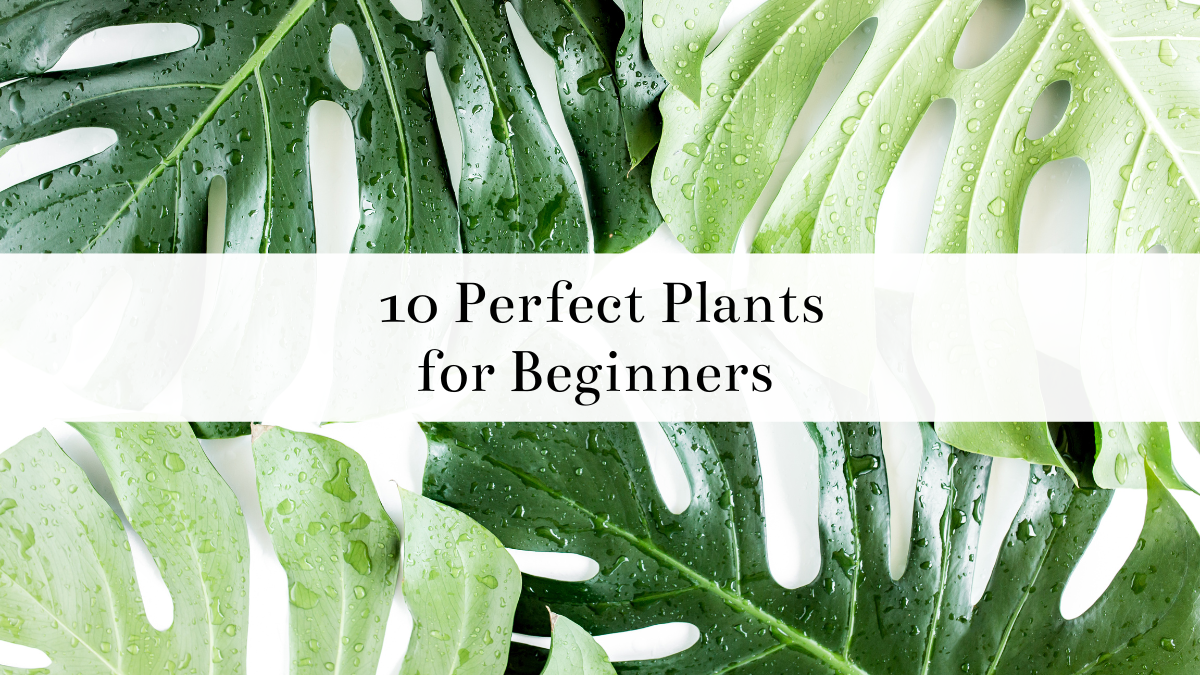
I’ve loved plants for a long time, and I know more people are getting into plants everyday. When people were stuck at home during the start of Covid, houseplants became incredibly popular (NBC News).
When it comes to caring for plants, things can get a little tricky. This is especially true for people who are new to having houseplants and don’t know a lot about them. Because houseplants can be tricky, I’ve decided to come up with a post of some great plants to start out with.
There is something I want to note in terms of individual preferences. When having houseplants, it’s important to notice if you have a habit of overwatering or under watering. If you tend to overwater plants, tropical plants like Pothos, ferns, or Philodendrons are some good options. If you underwater plants, then succulents, cacti, Snake Plants, or ZZ Plants would do great. With each plant listed below, I’ll note which type of watering they do best with.
If you’re looking to purchase plants, I also run Sophie’s Plant Shop on Etsy! Feel free to check out what plants I have for sale here. If you’d like, you can also follow my shop to receive updates when new plants are added to the shop.
- Pothos
- ZZ Plant
- Snake Plants
- Heartleaf Philodendron
- Peace Lily
- Spider Plant
- Rubber Plant
- Monstera
- Aloe Vera
- Dragon Tree
Pothos

These plants are number one on my list, because they’re the first plant I’ve ever had. I had these in my bedroom as a kid, and I still have some of those same exact Pothos today. They live forever and are so easy to care for! There’s quite a few different types of pothos, too.
Watering – Pothos are pretty drought-tolerant, but can also handle overwatering. Pothos can even be grown in water. They will droop their leaves when they need water too, which gives you a good heads up before dying.
Light – They’re pretty easygoing when it comes to light, too. They can handle really any range of light, and are able to grow in low light. Variegated Pothos need more light than other types to maintain their color variegation.
ZZ Plant

ZZ Plants are another easygoing plant that can handle some trial and error. They surprisingly can get pretty big, and are fast-growers. ZZ Plants are also very low-maintenance.
Watering – These plants are very drought-tolerant, and would do better with under watering rather than overwatering. Their leaves can get a little wrinkly when they need water, too.
Light – ZZ Plants are commonly known as low-light plants. They can handle low to medium light, but will grow faster and fuller with more light.
Snake Plants

Snake Plants have very similar requirements to ZZ Plants listed above. There are so many types of Snake Plants, some a little more rare than others. These plants are so hardy that they can be grown outdoors in milder climates. When doing well, they can sprout babies from the soil that can be separated to form new plants.
Watering – Snake Plants are very drought-tolerant, and they can be sensitive to overwatering. They prefer their soil to dry out between waterings.
Light – These plants are also considered low-light plants, but their leaves can get thin and leggy in low light. More light helps Snake Plants grow fuller. With variegated types, more sun will help maintain their colors.
Heartleaf Philodendron

Heartleaf Philodendrons are incredibly similar to Pothos. They often get mistaken for Pothos because they look so similar. These Philodendrons are so easy to care for, and can handle a variety of conditions. There’s a lot of different types, including some variegated varieties.
Watering – Heartleaf Philodendrons can dry out between waterings. They’re pretty drought-tolerant and are a little more sensitive to overwatering than Pothos.
Light – These plants can tolerate low light, but will grow faster and fuller in medium to bright, indirect light. Low light can cause these Philodendrons to get somewhat leggy. Like all variegated plants, variegated types of Heartleaf Philodendron require more light.
Peace Lily

These are another one of the first plants I’ve ever had, and I’ve been able to keep my Peace Lilies for a very long time. They can handle many different conditions, and will let you know if they’re unhappy. When given the right conditions, they can grow quite large and bloom beautiful white flowers.
Watering – Peace Lilies like moist conditions, making them a good option if you tend to overwater plants. They’ll also let you know when they need water by drooping their leaves.
Light – These plants can grow and bloom in just about any light conditions. They are commonly considered low-light plants that can thrive in many different locations around the house. More light will help them bloom more often, though.
Spider Plant

Spider Plants are a common, staple houseplant in many homes. They’re super easy to grow, and can get fairly large. Spider Plants can produce a ton of babies that are easily propagated if you want to have even more of these plants!
Watering – Less is more when it comes to watering Spider Plants. They can be sensitive to overwatering, and they only need watering when the soil becomes dry. I have noticed that their colors become kind of light and dull when they need water. These plants don’t really need any special watering schedules, but they can be sensitive to water that has a lot of minerals.
Light – Spider Plants will do best with medium to bright, indirect light. Brighter light will keep them healthier and more bushy. Variegated Spider Plants will also do better with more light to maintain their colors.
Rubber Plant

Rubber Plants are beautiful, large houseplants that are easy to care for. There’s a few different types, but the ‘Burgundy’ Rubber Plant shown above is my favorite. Because they’re technically trees, they can get up to 10 feet tall indoors if given the right conditions.
Watering – These plants aren’t picky about watering. They prefer to dry out between waterings, and can be sensitive to overwatering like many other plants. A good rule of thumb to have with all plants is to water more often during warmer seasons and when receiving more light.
Light – Rubber Plants prefer medium to bright, indirect light. They can sometimes survive in lower light, but won’t grow as full or fast. Variegated types will need more light than non variegated Rubber Plants.
Monstera

Monsteras have become so popular in recent years, and for good reason. They are beautiful, tropical plants that are very easygoing. The easiest Monsteras are Mini Monsteras, Swiss Cheese Monsteras, and Splitleaf Monsteras. Splitleaf Monsteras are the larger type of Monstera that is shown on the left in the photo above. They get very large and have become a staple houseplant in many homes. The Swiss Cheese Monstera shown on the right in the photo above, is a smaller plant that grows long vines, similar to Pothos. Despite their name, Mini Monsteras technically aren’t Monsteras, but are super easy to care for and very beautiful.
Watering – Monsteras are tropical plants that prefer moist conditions and can handle more water than other houseplants. They do like to dry out between watering, but not completely. Mini Monsteras are a little more drought-tolerant than other varieties.
Light – Most Monsteras need bright, indirect light to thrive. Mini Monsteras are a little more flexible with low light, but will still do best with medium to bright, indirect light. Direct sun in the morning is okay, but strong, afternoon sun may be too much for these plants.
Aloe Vera

Aloe Vera plants are common plants for beginners because they can handle a lot of neglect. They can get pretty large, and can sprout baby plants from their soil if given the right conditions. Aloe plants can even do well outdoors in milder climates. It’s commonly known that the gel inside Aloe leaves is great for sunburns, but it has a lot of other amazing uses too (Healthline).
Watering – Aloe Vera is a succulent that is incredibly drought-tolerant. Their soil can dry out completely for a couple weeks before needing a thorough watering. If outdoors or in very bright sun, they’ll need water more often.
Light – This is the only area where Aloe plants can get somewhat picky. Similar to other succulents, Aloe Vera need a lot of sunlight. This will help them grow upright and maintain thick, strong leaves. Lower light can cause them to get leggy and droop to one side as they reach for more light. They can handle quite a bit of direct sun, too.
Dragon Tree

Last but certainly not least on this list is the Dragon Tree, or Dracaena marginata. These plants are very popular plants for beginners and can survive in a wide variety of conditions. I have one in my bedroom that receives very little light, and it has lived for years! It doesn’t get very bushy or grow very fast with such little light, but it has survived all this time.
Watering – Dragon Trees are surprisingly very drought-tolerant, and can be sensitive to overwatering. They prefer their soil to dry between waterings. If they’re kept in lower light, they’ll need to be watered even less.
Light – While these plants do prefer medium to bright, indirect light, they can survive in low light as well. Lower light may cause them to grow thin and leggy, while brighter light helps them grow fuller.
I hope this post has been helpful if you’re looking for some good, beginner houseplants! These plants are all very easygoing, and can handle a variety of conditions. Most can handle quite a bit of neglect as well. Please feel free to reach out if you have any questions. If there’s an easygoing plant you feel should be on this list, I’d be happy to hear about it as well! Thanks for reading and happy planting!



Leave a Reply